What an amazingly small package. Thank you, I totally missed the link.
So, if I get this right this uses residual light from the stars and other sources to do the imaging, and judging by the speed of the update it's doing that with so short an exposure that you'd never even realize that if it wasn't mentioned.
That's one hell of a sensor, and probably quite a bit of on-board post-processing.
I'd like to see that filmed under a really dark sky. There was a lot of skyglow in there that interfered with the capture. But even so, I thought I recognized Orion, with the Great Nebula clearly visible at 0:30 (the linear series of smudges of light below the 3 bright stars sitting in a straight diagonal line)
You can see that nebula with the naked eye, but you need a pretty dark sky. I'm pretty sure it was not naked-eye-visible under that sky. Awesome camera.
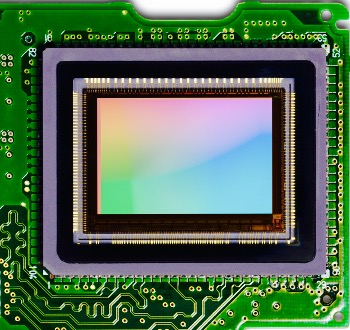
They also mention something about the CCD being "large pixel pitch" or something to that nature, to gather more light per imaging element. This would explain the size of the camera, because we know that a 10 mega-pixel camera can be small enough for a phone. Make the pixels much bigger, and the whole array much larger (instead of something the size of a pencil eraser, for instance, make it many times larger - perhaps 400mm per side or something).


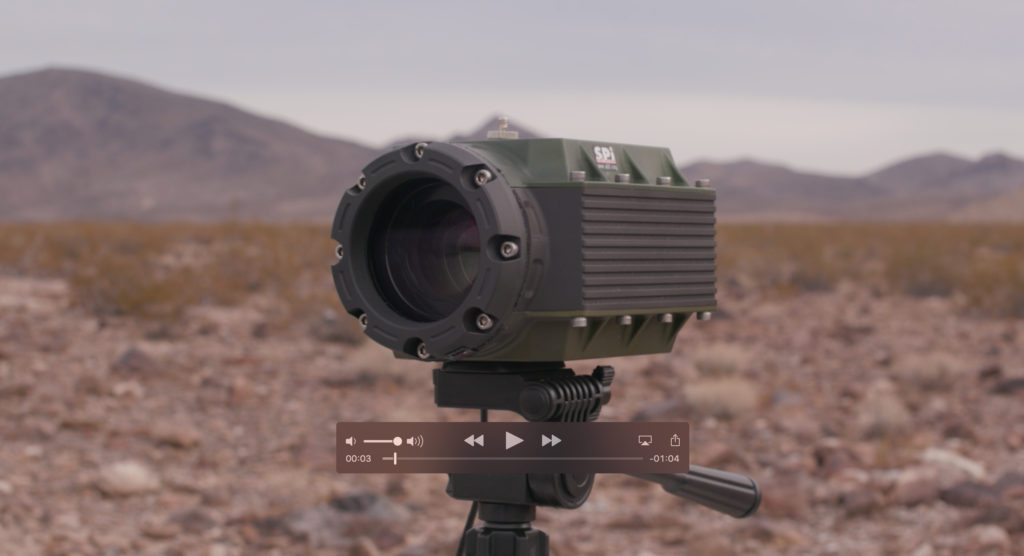
So, if I get this right this uses residual light from the stars and other sources to do the imaging, and judging by the speed of the update it's doing that with so short an exposure that you'd never even realize that if it wasn't mentioned.
That's one hell of a sensor, and probably quite a bit of on-board post-processing.
There is a starlight video on that page:
https://youtu.be/RbD9E6YyLbA