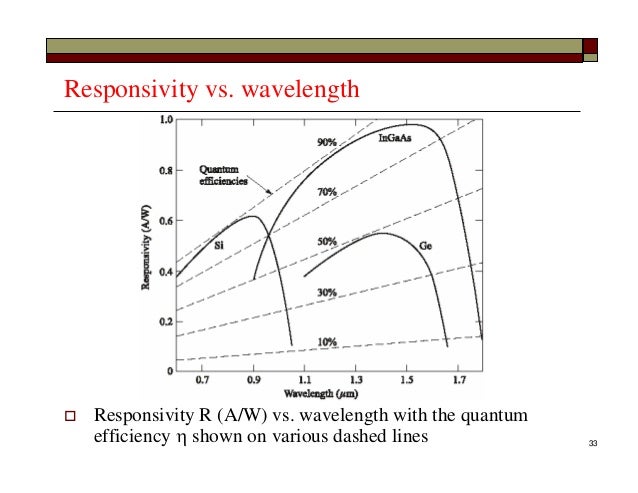
The responsivity of silicon (and other semiconductors) by wavelength is pretty well characterized[1]. Any data sheet for a silicon photodiode will include a similar plot, and as photodiodes are just diodes (granted, operated in reverse bias), regular diodes will have a similar response if light can get past the part package. Photodiode junction doping and geometry are optimized to make them useful as optical devices, but they're still VERY close to regular silicon diodes.
This property of diodes can be used in a fun way: LEDs emit light, but they can also be used as photodiodes[2]. It's easy with a microcontroller pin that can act as both a digital output and analog input. LEDs are of course not optimized for this use (small sensor area, the package may absorb useful light particularly in the UV, phosphor if present may get in the way), but they can be used as photodetectors. There's even an Arduino sketch[3].
Since the effect seems to be caused by a silicon component that isn't properly shielded from light, anything with a photon energy higher than the bandgap should do. The bandgap of silicon is 1.1eV, which means the effect should start in near-infrared.
The problem should happen with near-infrared, visible, and UV-light. Glass is transparent in the visible range, and depending on type, also in IR / UV, so glass won't work as a shield.
The easiest, reliable way to shield would be wrapping in aluminum foil (also helps against RF-interference).