Oh, well then, no need to worry about this at all .. everything is toxic in the right numbers, so there's no wrong-doing here in the slightest and we shouldn't stop big companies from polluting the planet, because .. after all .. its already all polluted.
This was obviously not the stated position, and you are being deliberately disingenuous by portraying it as such.
"It's the dose that makes the poison" - that's a fairly accurate statement. Every industry uses chemicals that are potentially harmful, and we accept that as a trade-off for the benefits they offer.
The same applies to RoundUp. Is the benefit it offers to agriculture worth the risk? Can exposure be controlled in such a way that the risk is ameliorated? There's a cost-benefit analysis to be performed there.
Point is, stating that RoundUp is possibly carcinogenic is useful information – but it doesn't mean its better to immediately stop use of it. It also doesn't mean that Monsanto "knowingly market[ed] a poisonous, carcinogenic substance", as you stated. It does mean that use of the substance may potentially need to be re-evaluated, but preposterous jumping to conclusion of the sort you exhibited is what's killing political debate worldwide.
I'm not sure that was the point. The word "carcinogenic" has lost some of its impact when we learned over time that nearly everything is carcinogenic. We need to know a degree and likelihood and manner of action to really know what that means. You can be cynical about big companies, but this sort of health research is full of inaccuracies as well.
Exactly. Especially since it's apples and oranges.
Water is not optional. Without it you die. Roundup is optional. Without it the world can still grow crops (we SOMEHOW have for thousands of generations). Dumping many many tons off chemicals designed to kill (however small the organism) all over our food and planet, let alone planting homogeneous, patented, and GM'd "basic" plants, is a recipe that likely isn't good for the planet over time.
>Without it the world can still grow crops (we SOMEHOW have for thousands of generations).
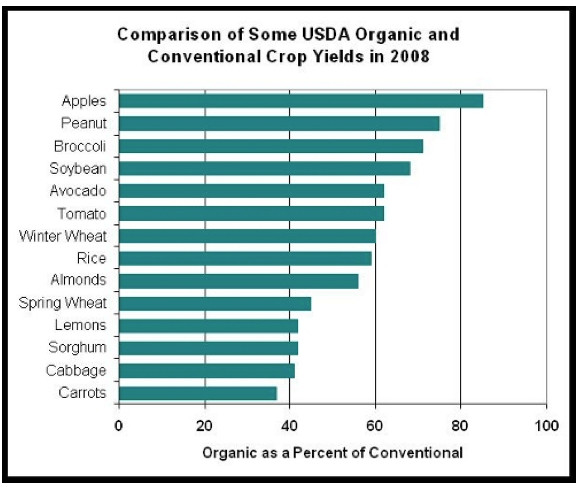
Historical yields were tiny compared to what we get from contemporary farms. I don't know if we need Roundup in particular, but if we went back to traditional farming methods half the world would starve.
Actually there is no evidence of this, a good proportion of of the food produced is actually used to feed animals which is the most inefficient way to produce food.
Just by eating less meat (which makes sense because we are not supposed to eat so much meat), suddenly we don't need to product so much. The actual price of the food is so low currently that what you pay in a supermarket is mostly the externalities. Switching to cleaner methods would not lead to starvation providing that we would eat differently.
Most americans would happily choose cancer over vegetarianism. That part isn't Monsanto's fault. Source: I am a vegetarian who talks to omnivores and near-carnivores.
Yeah, that's the main problem I guess, the system is providing people what they want but not what they need. It works like any other market, the consumers want cheap meat so the industry is providing cheap meat. The whole industry is then shaped to solve the wrong problem. They don't even need to fully switch to vegetarianism for it to work but they need to understand that eating meat once in a while is healthier and more reasonable than having a diet based on eating meat every day.
More like "just because it's done by someone you don't like, doesn't mean it's wrong". Blame Monsanto for the evil things they do (there's plenty), but not everything else.
Your argument is almost literally "Stalin believed 2+2=4, therefore 2+2 is 5".



What a ludicrous position.